
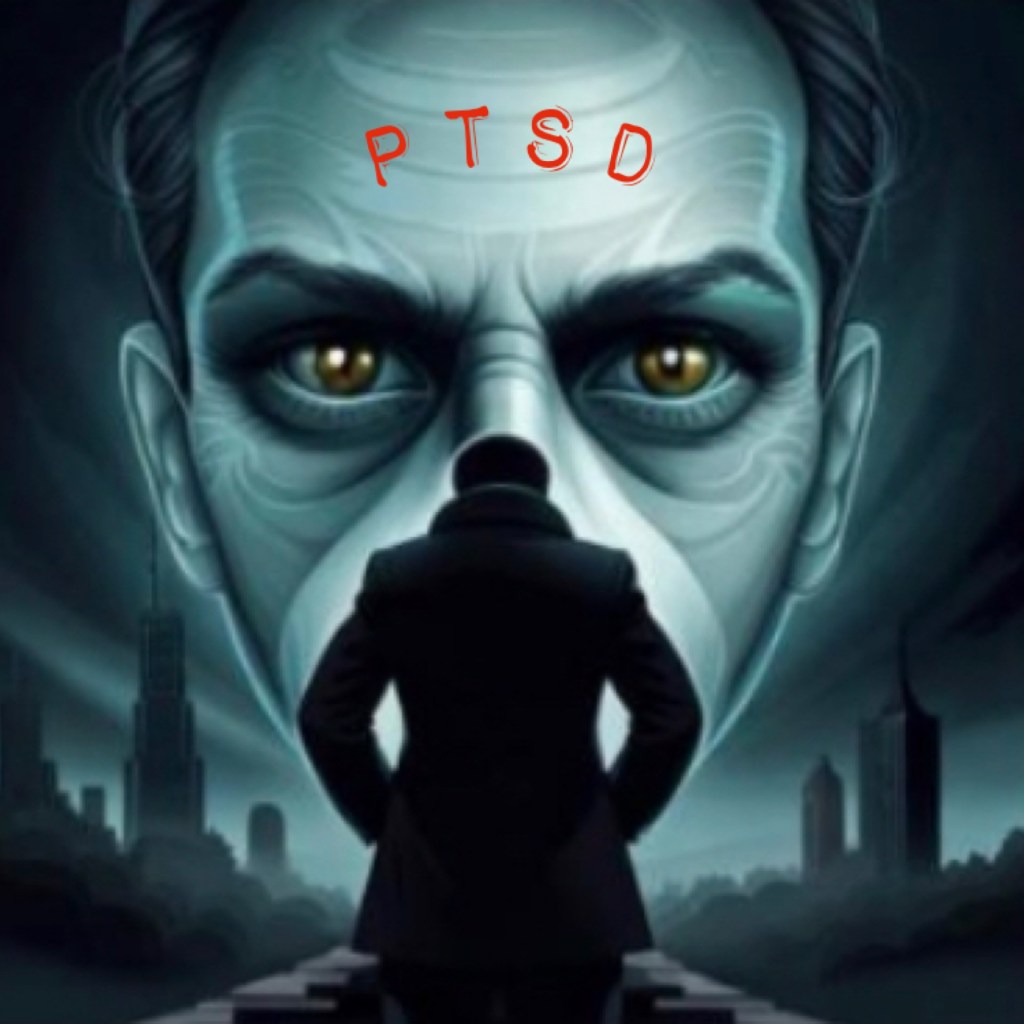
Post-Traumatic Stress Disorder (PTSD) is a debilitating mental health condition that can have profound effects on an individual’s life. Often triggered by experiencing or witnessing traumatic events, PTSD can cause intense distress, intrusive memories, and emotional numbness. This article aims to shed light on PTSD, its impact on mental health, and the significance of seeking support and treatment to embark on a healing journey.
Definition of PTSD and Its Impact on Mental Health
PTSD is a complex mental health disorder that can develop in response to a traumatic event. These events can include natural disasters, accidents, combat experiences, assault, or any situation that overwhelms an individual’s ability to cope. The hallmark symptoms of PTSD include intrusive thoughts, nightmares, flashbacks, heightened anxiety, and avoidance of reminders of the traumatic event. Such symptoms can significantly impair an individual’s daily functioning, relationships, and overall quality of life.
PTSD’s impact extends beyond the psychological realm. It can affect physical health, leading to sleep disturbances, chronic pain, and even an increased risk of cardiovascular issues. Additionally, those grappling with PTSD may struggle with substance abuse as a coping mechanism, further exacerbating their challenges. The pervasive nature of PTSD underscores the necessity of effective treatment and support.
The Importance of Seeking Support and Treatment
Acknowledging the presence of PTSD and seeking support is the first crucial step towards healing. While the journey might seem daunting, the transformation from surviving to thriving is attainable with the right interventions. Seeking treatment not only alleviates distressing symptoms but also prevents long-term consequences that can result from untreated PTSD.
Professional help, such as therapy and counselling, plays a pivotal role in PTSD recovery. Therapists employ evidence-based approaches like Cognitive Behavioural Therapy (CBT), Eye Movement Desensitisation and Reprocessing (EMDR), and exposure therapy to help individuals process and manage traumatic memories. These therapies empower individuals to regain control over their thoughts, emotions, and behaviours.
Support groups also provide a safe space for individuals with PTSD to share their experiences, learn coping strategies, and feel less isolated. Connecting with others who have walked a similar path can foster a sense of belonging and understanding that is essential for healing.
In some cases, medication may be recommended to manage PTSD symptoms. Antidepressants and anti-anxiety medications can help alleviate the severity of symptoms, allowing individuals to engage more effectively in therapy and self-care practices.
However, following recording Episode 6 of the VibeSpace Mental Health Podcast where we had Dr Joanna Moncrieff, Professor of Psychiatry at University College London on the show, we agree with her studies that psychiatric medication often cause more harm than good, so are therefore not advocates of this approach…
if you haven’t listened to this episode yet, you can check it out below:
It’s important to recognise that the healing journey is unique for each individual. Patience and self-compassion are essential as individuals navigate their way toward recovery. While progress may not always be linear, the commitment to seeking help and actively participating in the healing process lays the foundation for a healthier and more fulfilling life.
Conclusion
PTSD is a formidable challenge that impacts mental, emotional, and physical well-being. However, the journey to healing is marked by hope, resilience, and the support of professionals and loved ones. By understanding the nature of PTSD, acknowledging its impact, and seeking treatment, individuals can take control of their lives and transform their experiences into a narrative of strength and growth. In the subsequent sections of this series, we will explore how the “M” factors—mindfulness, mapping success, magnifying happiness, and maintaining momentum—can further contribute to the healing journey for those overcoming PTSD.
If you find our work useful, we invite you to please consider becoming a campaign sponsor.
Make a one-time donation
Make a monthly donation
Make a yearly donation
Choose an amount
Or enter a custom amount
Your contribution is appreciated.
Your contribution is appreciated.
Your contribution is appreciated.
DonateDonate monthlyDonate yearlyPlease stay tuned for the next in this PTSD series.
 VibeSpace
Leave a comment