
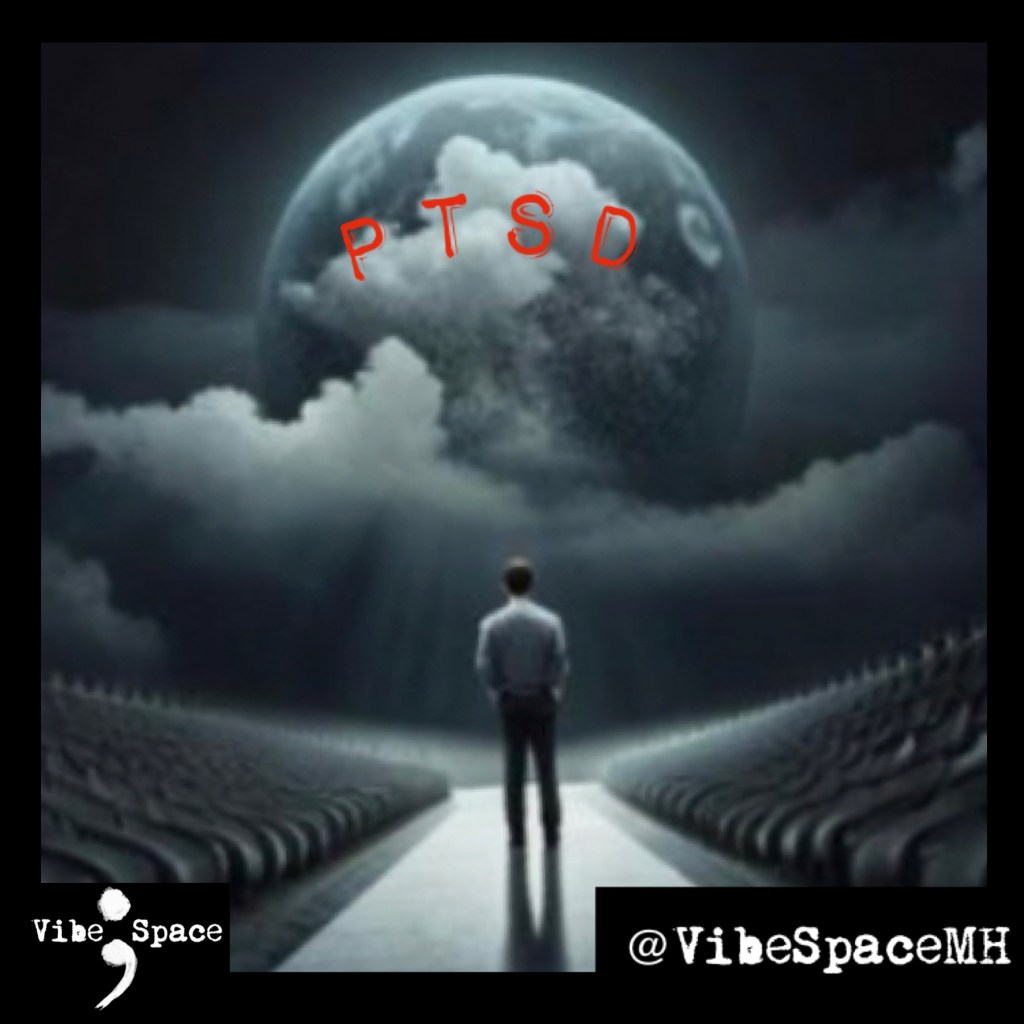
Overcoming Post-Traumatic Stress Disorder (PTSD) requires a multifaceted approach that prioritises mental wellbeing. Part 1 of our series, “Mental Wellbeing Mastery in PTSD Recovery,” delves into essential practices that empower individuals to navigate the path to healing by cultivating mindfulness, resilience, and supportive relationships.
Mindfulness Practices for Grounding and Coping
Mindfulness, the practice of being fully present in the moment, can be a powerful tool in managing PTSD symptoms. Engaging in mindfulness practices helps individuals ground themselves in the present and detach from distressing thoughts and memories. Techniques such as deep breathing, body scans, and grounding exercises redirect attention away from triggers, promoting a sense of calm and control.
Mindfulness practices also encourage self-compassion, enabling individuals to approach themselves with kindness and understanding. This self-compassion is especially crucial in PTSD recovery, as individuals often experience self-blame or guilt related to the traumatic event.
Meditation and Relaxation Techniques for Stress Reduction
Meditation and relaxation techniques offer respite from the heightened stress and anxiety that often accompany PTSD. Mindful meditation, guided imagery, and progressive muscle relaxation are just a few methods that promote relaxation and emotional equilibrium. Regular practice fosters a sense of inner peace and can help individuals manage the physiological responses triggered by trauma-related memories.
These techniques not only provide immediate relief but also contribute to long-term stress reduction. By incorporating them into daily routines, individuals enhance their ability to manage overwhelming emotions.
Mental Resilience to Navigate Triggers
Resilience is the capacity to bounce back from adversity. In PTSD recovery, building mental resilience is essential to managing triggers that can reignite traumatic memories. Cognitive-behavioural strategies help individuals reframe negative thought patterns and develop a more balanced perspective on their experiences. Learning to challenge distorted beliefs and replace them with healthier alternatives empowers individuals to navigate triggers with greater composure.
Resilience also involves developing healthy coping mechanisms. Engaging in creative outlets, physical activities, or journaling can channel emotional energy in constructive ways. This proactive approach empowers individuals to respond to triggers in a manner that reduces distress and fosters a sense of empowerment.
Meaningful Relationships for Emotional Support
Recovery from PTSD is not a solitary journey. Nurturing meaningful relationships plays a pivotal role in providing emotional support and stability. Trusted friends, family members, or support groups can offer a safe space to share experiences and feelings without judgment. Connecting with others who understand the challenges of PTSD can reduce feelings of isolation and promote a sense of belonging.
These relationships provide opportunities for open communication, validation, and reassurance. Loved ones can offer comfort during difficult times and celebrate progress, reinforcing an individual’s sense of agency and worth.
Conclusion
Mental wellbeing mastery is a cornerstone of PTSD recovery. Cultivating mindfulness practices, embracing relaxation techniques, building mental resilience, and nurturing meaningful relationships form a robust foundation for healing. By incorporating these practices into daily life, individuals harness their inner strength to manage triggers, reduce stress, and foster a sense of control over their experiences.
In the upcoming sections of our series, we will explore the “M” factors in the context of overcoming PTSD, highlighting how mapping success, magnifying happiness, and maintaining momentum contribute to a holistic approach to healing and transformation.
Remember, the journey to recovery is marked by progress, setbacks, and growth, but by prioritising mental wellbeing, individuals can navigate their path to healing with resilience and hope.
To support the campaign, please consider signing up as a sponsor, your donation help us fund this important work.
Make a one-time donation
Make a monthly donation
Make a yearly donation
Choose an amount
Or enter a custom amount
Your contribution is appreciated.
Your contribution is appreciated.
Your contribution is appreciated.
DonateDonate monthlyDonate yearlyPlease subscribe to the our email list to keep updated on new blog articles and have them delivered directly to your inbox.
 VibeSpace
Leave a comment