Introduction
I’m delighted to announce we have secured another interview on the VibeSpace Mental Health podcast with a fabulous London based drag queen, I met at the #StandAgainstSuella protest last Sunday, the wonderful Scott AKA “Christina Draguilera.”
Ahead of this very first interview with a drag performer, I’ve compiled this blog post to delve into the history behind this art form, which seems to be garnering some hate from bigots at the moment.
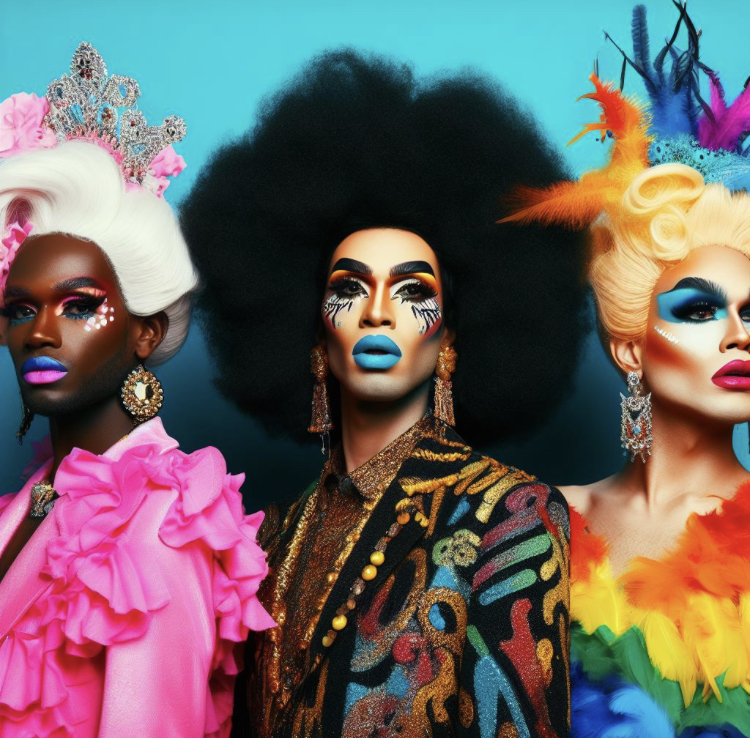
The world of drag performance is a vibrant and dazzling tapestry woven with creativity, artistry, and resilience. It’s a world where performers transform themselves into captivating personas, blurring the lines of gender and identity. To truly appreciate the art of drag, it’s essential to delve into its rich history, which is marked by triumphs, challenges, and profound cultural influence.
Ancient Origins
Drag performance has roots that trace back centuries. In ancient Greece, men often portrayed female characters in theatrical productions, setting the stage for what we now recognise as drag. However, the art form truly began to flourish during the 17th century in England. During the Restoration era, women were allowed to perform on stage, and male actors would sometimes take on female roles, laying the groundwork for drag as we know it today.
19th Century Vaudeville and Music Halls
As the 19th century dawned, vaudeville and music halls became popular entertainment venues, and drag performances found a new home. The legendary performer Julian Eltinge became a sensation, captivating audiences with his impeccable impersonations of women. Eltinge’s success paved the way for many others to embrace drag as a legitimate form of entertainment.
The Harlem Renaissance
In the early 20th century, drag culture experienced a renaissance of its own during the Harlem Renaissance in New York City. The LGBTQ+ community began to carve out spaces where drag queens could shine, and performers like Gladys Bentley and Jewel Box revues showcased their talents to enthusiastic crowds. These performers not only entertained but also challenged societal norms of the time.
The Stonewall Era and Activism
The 1960s marked a pivotal moment in the history of drag and LGBTQ+ rights. The Stonewall Inn in New York City became the epicentre of a series of protests that sparked from a riot against police and state sanctioned oppression and ignited the modern LGBTQ+ rights movement. Drag queens, including Marsha P. Johnson and Sylvia Rivera, played crucial roles in these demonstrations, cementing their status as activists for equality and acceptance.
Television and Pop Culture
The 1970s and 1980s saw drag performance slowly make its way into mainstream culture. Television shows like “The Milton Berle Show” and “The Ed Sullivan Show” featured drag acts, helping to destigmatize the art form. However, it was RuPaul’s “RuPaul’s Drag Race” in the 21st century that catapulted drag into the mainstream. The show not only celebrated drag culture but also gave rise to a new generation of drag superstars.
A Global Phenomenon
Today, drag has become a global phenomenon, with drag queens and kings from all corners of the world captivating audiences and pushing boundaries. Drag is no longer confined to the stage; it has found a home on social media platforms, allowing drag performers to reach a global audience.
Conclusion
The history of drag performance is a journey of creativity, resilience, and activism. From its humble beginnings in ancient Greece to its modern-day prominence in mainstream culture, drag has evolved and thrived. Drag performers have not only entertained but also challenged societal norms, paving the way for greater acceptance and understanding of gender diversity. As we continue to celebrate the art of drag, we honour its rich history and the individuals who have made it the glittering and empowering phenomenon it is today.
If you like our work, please consider becoming a supporter, a small donation each months will safeguard the future of the campaign for years to come.
Make a one-time donation
Make a monthly donation
Make a yearly donation
Choose an amount
Or enter a custom amount
Your contribution is appreciated.
Your contribution is appreciated.
Your contribution is appreciated.
DonateDonate monthlyDonate yearlyTo keep up to date of further blog posts please subscribe.
Thanks for reading, may peace, love and positive vibes be with you always!
Princess Vibes xx
 VibeSpace
Leave a comment